How to Help a Child Who Can’t Wait Their Turn or Keeps Saying 'How Much Longer?' | Practical Ways to Support Self-Regulation
Says 'How much longer?' the moment they line up. Struggles to sit still in class. Has trouble waiting their turn and ends up in conflicts. This is not simply defiance. During waiting situations, two things often overlap: low stimulation and uncertainty about what comes next. nocoto organizes the pattern of 'stimulation imbalance → rising anxiety → impulsive behavior' and provides practical ways to create a state where waiting becomes easier through short previews and small physical resets.
Three Steps to Support a Child Who Struggles with Waiting
Identify the specific waiting situations that tend to break down (lining up, turn-taking in play, classroom time)
Clarify whether the difficulty stems from low stimulation or unclear instructions (multiple directions, unclear endpoints)
Pair short previews with small physical resets and make them routine (seconds, counts, brief movement)
Common Concerns (Child Who Struggles with Waiting and Restlessness)
Child D struggles with waiting for their turn and quickly says “How much longer?” while standing in line.
When playing with friends, they want to go again immediately and sometimes break rules.
In class, they have difficulty sitting still.
We want to know how to build their ability to wait.
nocoto analyzes your child using dog/cat personality types and provides a structured report explaining why waiting is difficult and how to support regulation with specific phrases and routines.
Child D's AI Persona
Relationship: Child
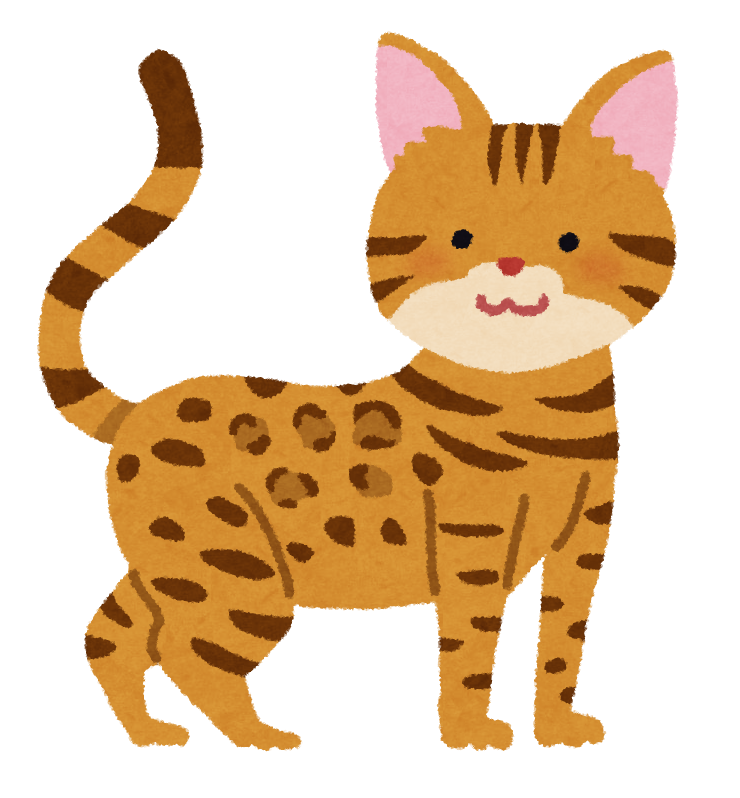
Dog/Cat Type Bengal
- Strongly reacts to novelty and stimulation; tends to be active and restless
- More likely to follow curiosity and impulses than tolerate waiting; struggles with turn-taking
- When stressed, increases activity to release tension and settles through play or environmental change
Persona Profile
This child fits the Bengal type (Bengal).
Alignment and gaps with the dog/cat type traits
- Matching behaviors: Sensitive to new movements and activities, has difficulty staying still in lines or class, and is likely to say “How much longer?” (due to high responsiveness to stimulation).
- Non-matching point: Reports indicate behavior does not significantly worsen due to hunger or fatigue (external stimulation appears to be the primary driver rather than physical condition).
- What this gap suggests: Restlessness may stem more from “low stimulation” and “difficulty processing instructions” than from physical discomfort, meaning hunger-based solutions alone may not resolve the issue.
- Behavioral mechanism
- The trigger is often waiting time in lines or class, where stimulation is minimal. When little is happening externally, attention loses a clear target.
- The Bengal tendency is to orient quickly toward novelty, so even short waiting periods can feel boring.
- Multiple instructions are difficult to process at once, leading to confusion about what to do.
- Internally, a strong “I want to do it now” impulse and anxiety about “what happens next” occur simultaneously.
- As this tension rises, the child seeks immediate stimulation by talking, leaving their seat, or skipping ahead.
- Lengthy explanations or scolding increase stimulation in the moment, which can intensify resistance or avoidance.
- In contrast, short previews and small physical movements reduce anxiety and make waiting easier.
- Therefore, managing external stimulation and simplifying instructions directly changes behavior.
Repeating cycle
Line up → Low stimulation and boredom → “How much longer?” / leaves spot → Situation escalates and adults intervene earlyInterpersonal friction
- Peers may feel the child is not respecting turns; teachers may increase warnings, leading to strained relationships (more correction → more resistance).
- The child may begin to think, “I’m going to get in trouble again,” which further reduces emotional regulation.
- Approaches that often backfire
- Long lectures: Processing overload increases confusion and resistance.
- Sudden scolding or punishment: Heightens fear or anger, worsening behavior.
- Intervention points
- Use short, segmented previews (ready-to-use phrases):
“After we count to three, it’s your turn.”
“Let’s stand in line for just two minutes.”
Clear endpoints reduce anxiety. - Allow small physical release (ready-to-use phrase):
“Okay, do three jumps, then we’ll line up again.”
Movement helps discharge excess stimulation and makes waiting easier.
- Growth pathways
- Positive direction: Consistently using “after X counts” and “three jumps” during preschool line-ups builds a habit of waiting before frustration emerges (short preview → reduced anxiety → improved waiting).
- Stagnation direction: Repeated long scolding reinforces avoidance and resistance, slowing learning.
Parents and teachers should consistently provide “short preview + brief physical reset.” With repetition, behavior reliably improves.
AI can also answer these questions
Would you like to organize strategies that reduce 'How much longer?' by personality type?
Would you like to organize your child's actions and find better ways to connect?
Analyze a persona without creating an account
Examples by Behavior Type
View interaction tips for different behavioral types