Why Children Hit Things When Angry | Causes and Practical Strategies
Hitting the desk after losing a game. Slamming objects when homework gets hard. Repeating the behavior even after apologizing. At nocoto, we organize these patterns and propose concrete ways to turn that energy into a strength through structure, not frustration.
3 Steps to Understand Why a Child Hits Things
Identify the physical changes (breathing, muscle tension) just before the outburst.
Understand how the brain mislearns 'impact' as a temporary reward.
Reduce lectures and practice 'alternative behaviors' using the body.
Example concern (child who hits objects when angry)
With nocoto, you receive a behavioral analysis like this:
Child F's AI Persona
Relationship: Child
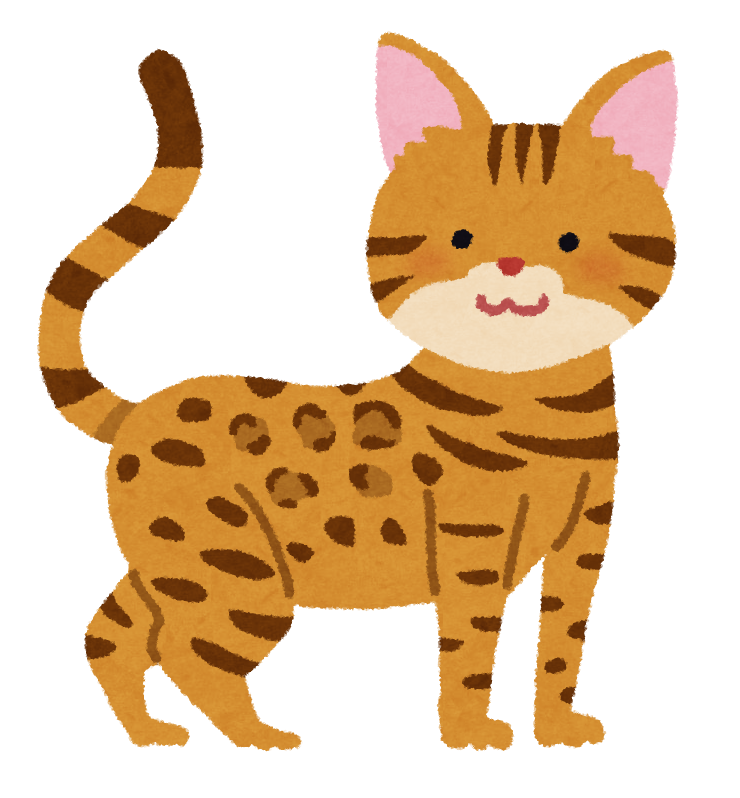
Dog/Cat Type Bengal (Physical Release Type)
- Highly sensitive to stimuli; frustration instantly transforms into physical tension.
- The circuit for physical action often overrides the circuit for verbal expression.
- Possesses intense energy and tries to maintain emotional balance by releasing it outwardly.
Persona Profile
This is the Bengal type (Physical Release).
[Why do they hit things? The Physical Mechanism]
When this child hits a desk or throws objects, it is not merely a matter of "selfishness" or "personality." It is a mechanism similar to a brain-body "defense response."
- Sensory Saturation and Explosion: Stress from losing a game or failing a task triggers the "amygdala" in the brain. The body enters fight-or-flight mode, sending strong electrical signals to the arm and shoulder muscles.
- Physical Energy Discharge: To resolve the intense tension accumulated in the muscles, the brain finds hitting or throwing—physical impact—to be a more immediate solution than speaking.
- Reward Loop of Impact: The sound and sensation of the impact act as a temporary sedative for the brain, leading the child to repeat the behavior unconsciously.
[What is wrong with hitting things? Risks of Neglect]
Neglecting this behavior with the assumption that they will "grow out of it" carries clear risks:
- Hard-wiring of Brain Circuits: If a child hits things every time they are angry, the brain mislearns that "discomfort = physical aggression" is the correct shortcut.
- Concerns of Social Isolation: In group settings, physical outbursts create "fear" in others. No matter how kind the child's heart is, a single outburst can damage friendships or cause them to lose their place at school.
- Lowered Self-Esteem: In reality, the child often feels guilt afterward. They tend to fall into a cycle of blaming themselves for their lack of control.
[Effective Approach: Relearning Through the Body]
"Lectures" are surprisingly ineffective for this type because the rational part of the brain is "switched off" during an outburst.
- "Quiet Restraint": Instead of scolding, quietly place a hand on their shoulder or gently hold their arm to interrupt the physical movement.
- "Redirecting the Outlet": Practice "alternative behaviors" like squeezing a cushion for 5 seconds or jumping in place three times during calm moments. This is the only way to create a new exit for their energy.
AI can also answer these questions
Begin understanding your child's anger through structure, not emotion.
Would you like to organize your child's actions and find better ways to connect?
Analyze a persona without creating an account
Examples by Behavior Type
View interaction tips for different behavioral types