How to Handle a Child Crying During Shopping | Tantrums in Public & Repeated Demands Explained
Your child keeps crying during shopping. They repeatedly demand something while you're out. They argue with siblings every day, insisting “I go first.” You may feel unsure how to respond and wonder, “Am I being too permissive?” In fact, there is a clear behavioral mechanism behind these tantrums and stubborn behaviors. At nocoto, we clarify why these behaviors occur, why they repeat, and provide concrete communication examples along with consistent rule-setting strategies.
3 Steps to Understand and Manage Your Child’s Tantrums & Stubborn Behavior
Write down the specific situations causing difficulty (crying during shopping, public tantrums, sibling conflicts, etc.)
Organize the underlying factors such as hunger, fatigue, overstimulation, or attention-seeking
Visualize why the behavior is being reinforced, then define effective phrases and consistent rules
Common Concerns (Crying During Shopping & Repeated Demands Case)
When things don't go their way, Child A complains strongly, ignores explanations, and repeats demands multiple times.
In public or during shopping, they insist on items immediately, become upset or cry when denied.
At home, they often insist "I want it now" or "me first," causing more sibling conflicts. I'm unsure how to handle this.
With nocoto, you receive a personality-based report expressed through dog and cat types
Child A's AI Persona
Relationship: Child
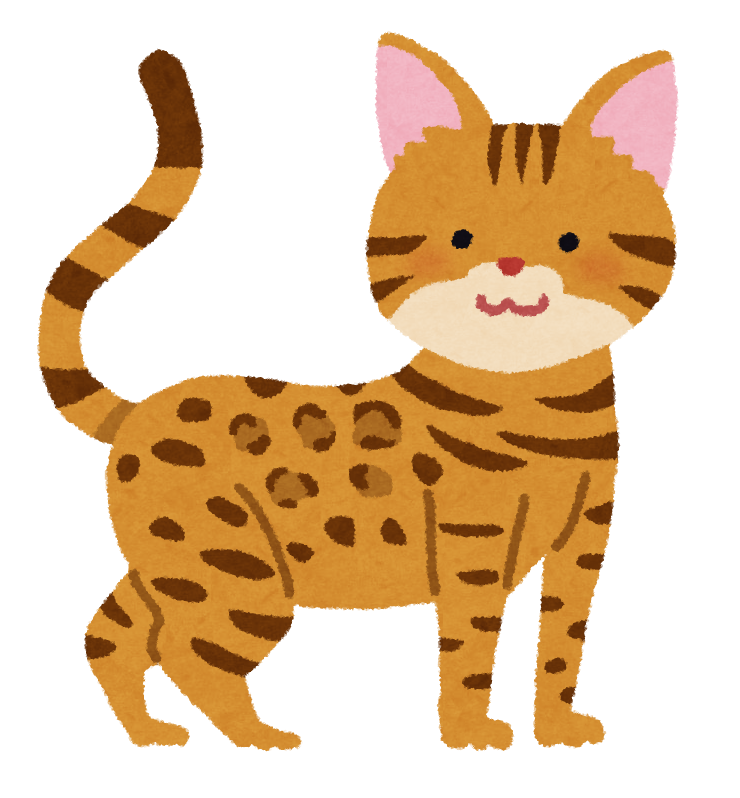
Dog/Cat Type Bengal
- Highly responsive to novelty and stimulation
- Engages while maintaining control (strong self-assertion)
- Releases energy through activity; often acts impulsively
Persona Profile
This is a Bengal type.
Matching behaviors: reacts strongly to new or attention-grabbing situations, asserts wants immediately with loud or repeated actions.
Non-matching points: rarely reflects on behavior afterward and apologizes, indicating a weaker tendency to think things over after acting.
Implication of the gap: when excitement is high, there is little room for reflection, making apologies or self-correction less likely.
Mechanism of behavior:
- External stimuli like seeing something desirable sharply increase curiosity and excitement.
- Increased excitement temporarily reduces inhibitory control.
- With reduced inhibition, the impulse "I want it now" takes priority.
- Impulse-driven actions occur before verbal reasoning (repeated requests, loud demands).
- If the environment responds (attention, giving the item), the behavior is reinforced.
- Punishment can further increase excitement, causing escalation rather than calming.
- Lack of sleep or hunger further weakens inhibition, increasing reaction intensity to the same stimulus.
- Focusing on an interest makes it hard to switch attention, so following instructions becomes difficult.
Repeating pattern: visible stimulus → excitement ↑ → inhibition ↓ → repeated requests → loud cries to get attention
Interpersonal friction: insists on going first, often conflicts with siblings. Crying in public inconveniences caregivers and disturbs the environment.
Counterproductive interactions: giving the item immediately teaches "crying works" and worsens behavior; strong scolding increases excitement and escalation.
Intervention points:
- Short pre-set rules with alternatives: "We won't buy it here. When we leave, you can have one bite of ice cream." → clear rules and immediate alternative reduce impulsive behavior.
- Promise relationship restoration once calm: "We won't buy it now. After you calm down, let's talk while I hold you." → positive reactions after calming reduce loud attention-seeking behavior.
Growth trajectory:
Positive: repeatedly following short rules and performing alternatives during outings increases self-control and reduces crying.
Stagnation: inconsistent responses or giving in on the spot reinforce demands, worsening public crying and sibling conflicts.
Always set short rules before outings, provide alternatives, and consistently enforce not giving in immediately.
AI can also answer these questions
You’ll be able to respond to tantrums and stubborn behavior with structure — not emotion.
Would you like to organize your child's actions and find better ways to connect?
Analyze a persona without creating an account
Examples by Behavior Type
View interaction tips for different behavioral types