Why Children Hit Objects When Angry | Causes and Practical Parenting Strategies
They hit the desk when they lose a game. They slam objects when homework becomes difficult. Even after being told to stop, the behavior repeats. Many parents wonder: “Why does my child get angry so easily?” or “Will this become a bigger problem?” In reality, children who release anger physically often follow a clear behavioral pattern. nocoto helps organize that pattern and shows concrete ways to reduce object-hitting behavior through simple phrases and alternative actions.
3 steps to understand why a child hits objects when angry
List specific situations when the behavior occurs (games, homework, sibling conflicts, etc.)
Identify triggers that increase anger (losing, fatigue, hunger, stimulation)
Understand the impulse pattern and decide on alternative actions and phrases
Example concern (child who hits objects when angry)
When they lose a game or cannot solve homework, they sometimes suddenly become frustrated and hit the desk or nearby objects.
Even if we tell them to stop, the behavior often repeats later.
Afterward, they sometimes say “I went too far,” but in the moment they seem unable to control their feelings.
I’m also worried about this happening in front of friends and affecting relationships. I’m not sure how to respond as a parent.
With nocoto, your child's behavioral tendencies can be visualized through animal personality types like this
Child F's AI Persona
Relationship: Child
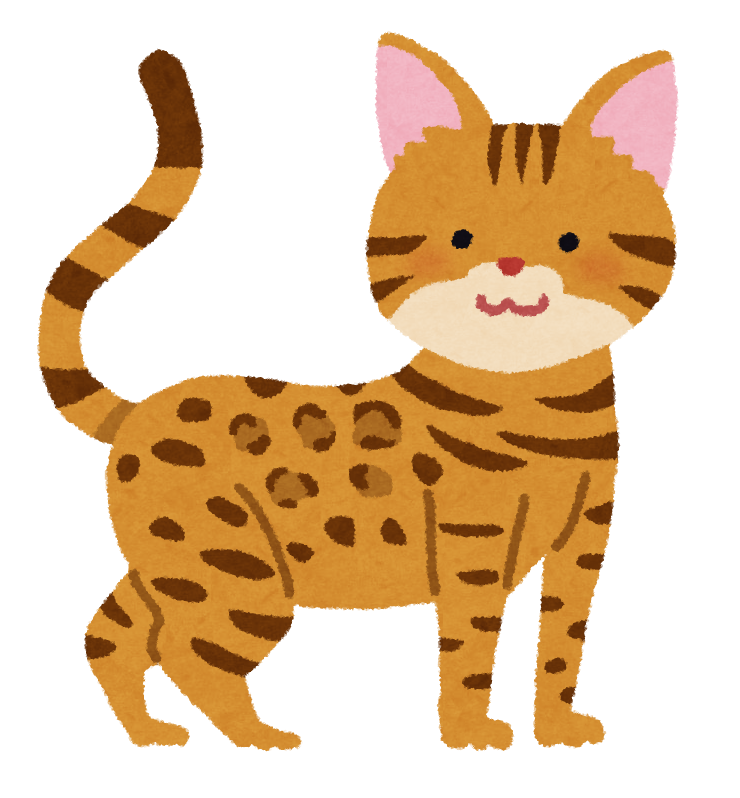
Dog/Cat Type Bengal
- Tends to react strongly and impulsively to new stimuli or emotions
- When frustrated, they release energy physically by increasing activity
- Acts based on curiosity and personal feelings, but may struggle to try alternative solutions
Persona Profile
This child matches the Bengal type.
Matching behaviors: They react strongly to new stimuli, losing, or setbacks and tend to express emotions physically.
Mismatch: They show a lower tendency to calm down by expressing their feelings in words.
What this difference may indicate: Strong curiosity and high activity levels may create intense emotional surges, leading them to release those feelings physically before organizing them in words.
How the behavior works:
- The Bengal trait of being highly sensitive to stimulation and physically active often directs emotional reactions toward physical movement first.
- For example, when losing a game, the desire to try again and the frustration can rise instantly.
- When physical tension increases, the brain’s “quick reaction system” activates first, while the system responsible for verbal reasoning becomes secondary.
- If the child has limited practice expressing emotions verbally, emotional energy may be directed toward nearby objects (such as desks or cushions).
- On the other hand, when parents stay calm, the overall atmosphere becomes calmer and the child’s tension is more likely to decrease.
- When the child is tired or hungry, their ability to control impulses becomes weaker, making it easier for them to lash out at objects.
- Repeating this pattern can teach the brain that “hitting objects quickly relieves emotions.”
- Over time, this may increase the risk of breaking things or causing problems in friendships at school.
Common cycle:
Lose a game → frustration builds → body feels tense or hot → hit nearby object → get corrected → feelings remain unresolved → repeat
Interpersonal friction:
If a parent scolds harshly, the child may become more tense and resistant, while the parent may also become more emotional, worsening the relationship.
If this behavior happens in front of friends, the child may be criticized or excluded.
Approaches that often backfire:
Long lectures explaining reasons may not work because the child’s emotions are already leading their actions.
Yelling increases stimulation and may actually intensify the behavior.
Intervention points:
- Short phrases to use in the moment: When anger appears, calmly say “Let’s pause. Take a deep breath with me.” and move close to the child.
- Decide on an alternative behavior together: Practice saying “Next time you feel angry, squeeze the cushion three times and then tell me.”
Possible development paths:
Positive direction: With repeated practice of alternative behaviors, the child learns to take a breath before restarting a game after losing.
Stagnation: If the response remains only correction, the habit of hitting objects may become stronger, especially when tired, leading to friendship or family conflicts.
For example, when the child becomes frustrated because they cannot solve homework, say briefly, “Let’s pause. Take a deep breath with me,” and practice squeezing a cushion instead. Start with this step first.
AI can also answer these questions
You can begin understanding your child's anger and impulsive reactions through clear behavioral mechanisms rather than frustration.
Would you like to organize your child's actions and find better ways to connect?
Analyze a persona without creating an account
Examples by Behavior Type
View interaction tips for different behavioral types